
Electronic Safe Lock: When to Upgrade Yours

A safe should be easy for the right person to open and difficult for everyone else. That balance is exactly why an electronic safe lock has become a practical upgrade for homeowners, business owners, property managers, and institutions across the Twin Cities. It replaces the daily inconvenience of managing a key or spinning a mechanical dial with controlled access through a personal code, while maintaining the physical protection your safe was built to provide.
The lock, however, is only one part of the system. A quality safe needs the right lock for its use, proper installation, dependable power, and professional service when something changes. Whether you are protecting family documents, jewelry, cash, firearms, records, or business deposits, the goal is reliable access without compromising security.
What an Electronic Safe Lock Changes
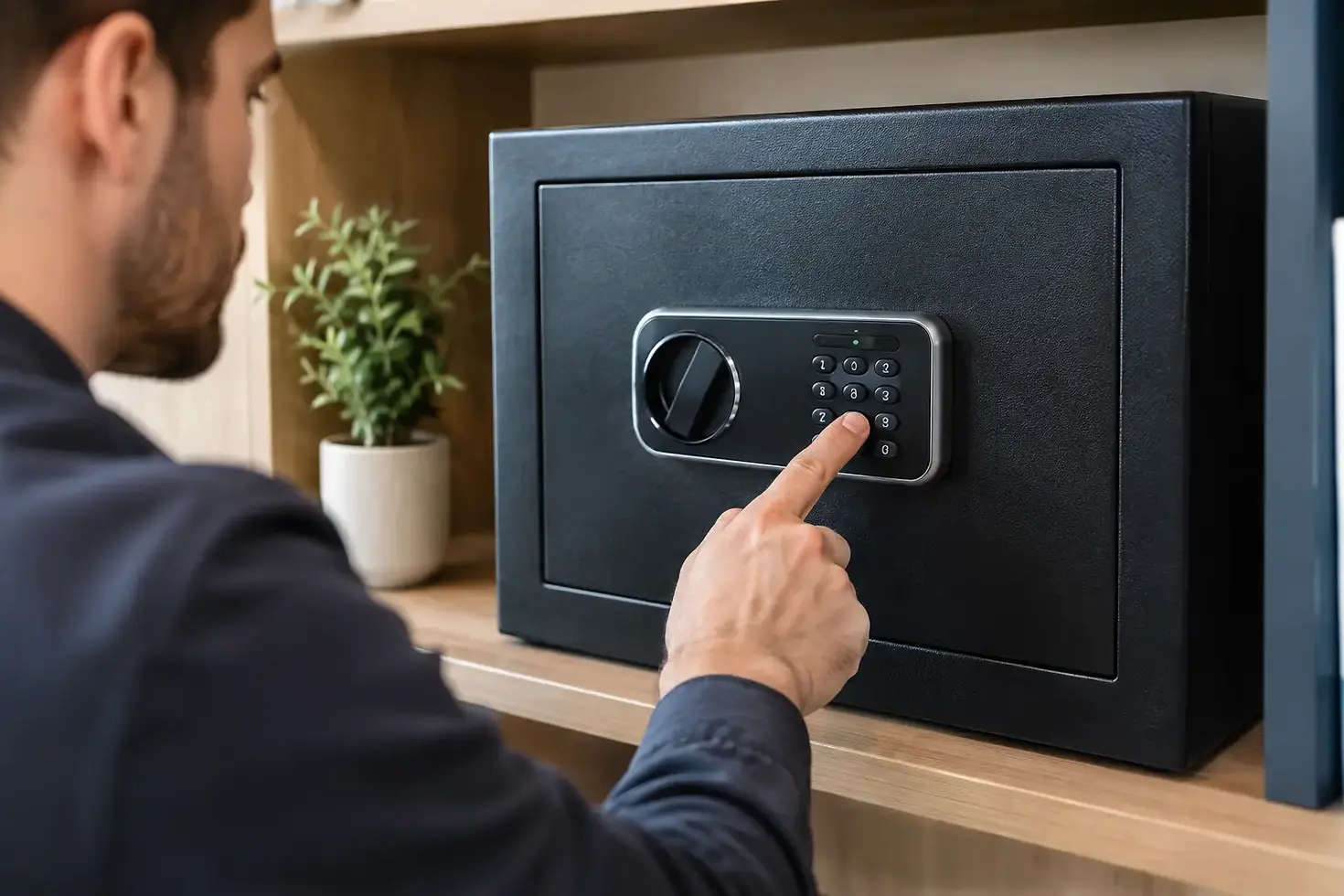
An electronic lock uses a keypad and programmed code to release the safe's boltwork. Rather than carrying a key or carefully dialing a combination, an authorized user enters the code and opens the safe when the lock confirms it. The process is quick, familiar, and especially useful when the safe is opened regularly.
For many owners, the biggest advantage is code control. A code can be changed when an employee leaves, a property changes hands, or a trusted person no longer needs access. With a mechanical lock, changing access may involve changing the combination through a technician or managing keys that could have been copied. An electronic lock makes routine access changes more manageable, but it still needs to be programmed correctly and used with sound security habits.
Many commercial-grade models also offer features such as multiple user codes, time delay settings, opening records, and dual-control operation. These features can be valuable for businesses handling cash, controlled items, sensitive files, or shared responsibilities. They are not necessary for every safe owner, though. A home safe used by one or two people may benefit more from a straightforward, dependable keypad than from a long list of advanced settings.
Signs Your Electronic Safe Lock Needs Attention
Electronic safe locks are designed for regular use, but batteries, keypads, wiring, and internal components do not last forever. A small change in performance is often a reason to schedule service before access becomes a pressing problem.
Watch for a keypad that is slow to respond, inconsistent beeps, dim display indicators, buttons that require repeated pressure, or a lock that works only intermittently. A low-battery warning should be addressed promptly with the battery type recommended by the lock manufacturer. Do not wait for the battery to fail if the safe contains items you may need on short notice.
It is also wise to review the lock after a major access change. If a former employee, tenant, contractor, household member, or manager knew the code, changing it is a basic security step. The same applies after purchasing a used safe, moving into a property with a safe already installed, or taking responsibility for business records and valuables from a previous owner.
A code that has been forgotten, a keypad that has stopped responding, or a safe that will not open normally requires professional evaluation. Repeated attempts, force, or improvised repairs can damage the lock, door, and boltwork. A trained safe technician can identify the problem and recommend the appropriate repair, opening procedure, or replacement without treating the safe like an ordinary door lock.
Choosing the Right Electronic Safe Lock
The best replacement lock depends on the safe, how often it is used, who needs access, and what it protects. Compatibility matters. Safe doors and lock mounting patterns vary, and the new lock must work properly with the existing boltwork. A lock that looks suitable online may not be the correct fit for the safe or may require professional adaptation.
For a home safe, look for a dependable electronic lock with a clear keypad, a user-friendly code-change process, and a battery compartment that can be serviced without opening the safe. The exact features depend on the safe's location and contents. A simple model can be the better choice when only a small number of trusted people need access.
For a business or managed property, access management often carries more weight. Multiple user codes can reduce the need to share one combination among several staff members. Audit capabilities can help establish accountability. Time delay and dual-control functions may be appropriate where internal procedures call for more than one authorized person to participate in access. These settings should support daily operations, not create confusion when legitimate access is needed.
Security ratings and lock construction should also match the safe itself. Installing a sophisticated lock on a lightweight, low-security container will not transform it into a high-security safe. Conversely, a quality burglary or fire safe deserves a lock that complements its intended level of protection. A professional locksmith can help assess the complete setup instead of focusing only on the keypad.
Installation Is More Than Replacing a Keypad
An electronic safe lock upgrade is a precise service. The technician must confirm that the lock is compatible, remove or service the existing lock as needed, mount the replacement correctly, and test its operation with the safe door open. Proper testing confirms that the lock releases and secures the boltwork as intended before the door is closed.
This process is also the right time to inspect the safe's overall condition. Hinges, boltwork, relockers, door alignment, mounting, and signs of wear can affect reliability. If a safe has been moved, exposed to moisture, or used heavily for years, those details deserve attention. A working keypad cannot compensate for a door that is misaligned or internal components that need service.
Professional installation also helps avoid programming mistakes. Default codes should be changed promptly, user codes should be assigned thoughtfully, and the people responsible for the safe should understand the lock's everyday operation. Keep instructions in a secure location away from the safe, and avoid storing access codes in obvious places or sharing them by text message.
Battery Care and Everyday Reliability
Battery maintenance is simple, but it matters. Use fresh, high-quality batteries of the recommended type, and replace them on a schedule rather than waiting for a warning signal. For a safe that is accessed frequently, a regular annual replacement may make sense. For lower-use safes, check the lock periodically and follow the manufacturer guidance.
Do not mix old and new batteries or different battery brands in the same compartment. Check for corrosion when replacing batteries, especially if the safe is stored in a humid basement, garage, or other area with fluctuating temperatures. If you see corrosion, loose contacts, or damage around the keypad, arrange for service instead of assuming a new battery will solve the issue.
A safe should also be exercised periodically. Open it according to normal procedures, inspect the interior, and confirm that the door closes and locks smoothly. This is particularly useful for safes that hold important documents but are rarely opened. Finding a developing problem during a routine check is far better than discovering it when you need the contents immediately.
When a Safe Lock Upgrade Makes Sense
Upgrading to an electronic safe lock is often worthwhile when convenience, changing access needs, or a worn mechanical lock are creating problems. It can be especially useful after inheriting a safe, acquiring a business safe, changing management, or updating security procedures. An upgrade may also be part of a larger safe repair or relocation project.
Still, electronic is not automatically the right answer for every safe. Some owners prefer a mechanical combination lock because it does not rely on batteries. Others need electronic features that support multiple users and documented procedures. The right decision comes down to the safe's purpose, environment, level of use, and the people responsible for it.
B-Safe Lock & Key can evaluate safe lock concerns, recommend compatible options, and provide professional safe lock upgrades and repairs. A correctly selected and installed lock gives you something more useful than convenience: confidence that the valuables you chose to protect remain accessible to authorized people and secure from everyone else.


Comments